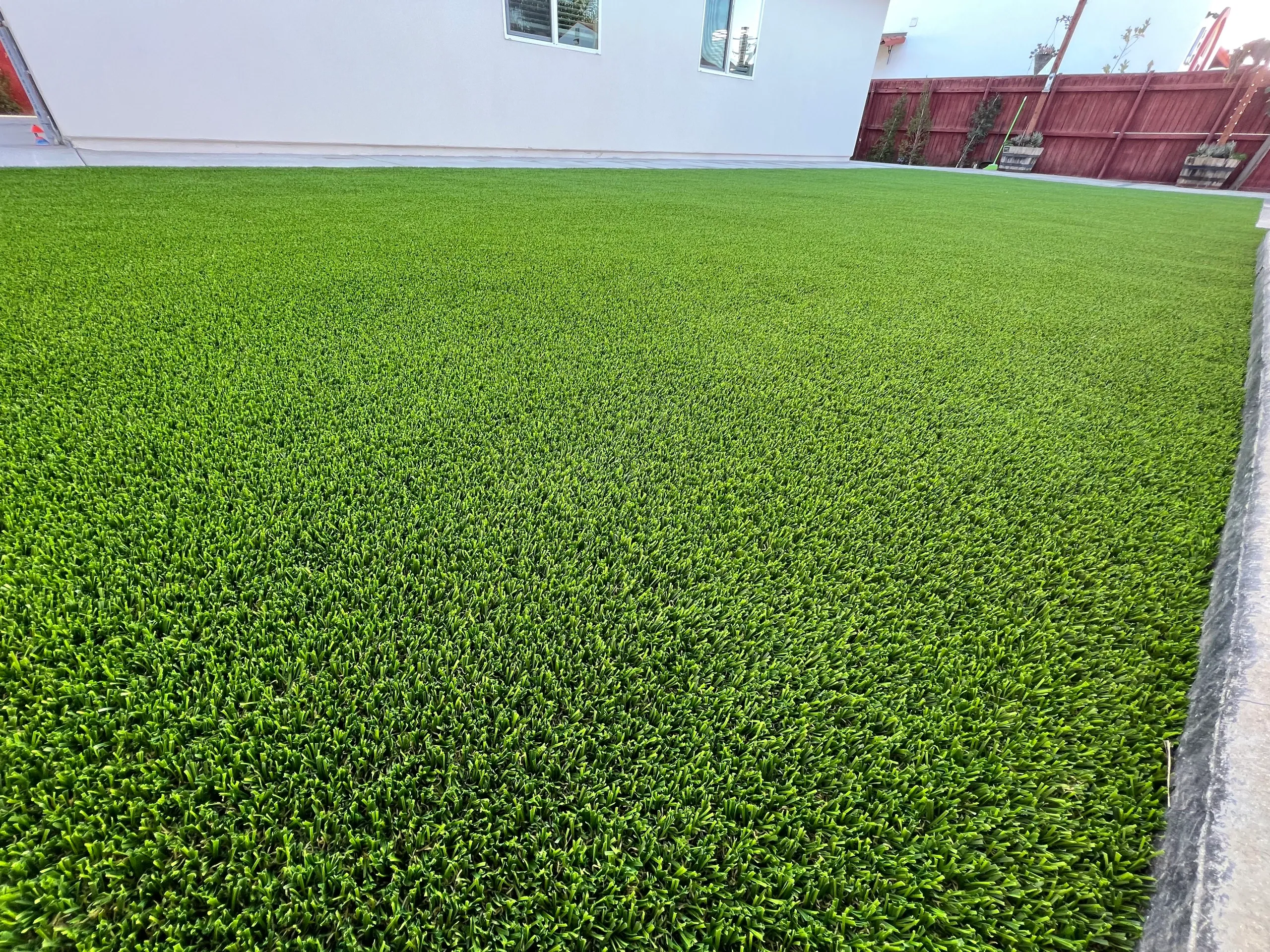
Infill is the functional foundation of a synthetic turf surface. It supports fiber uprightness, provides cushioning, contributes to drainage performance, and in pet turf applications carries the antimicrobial and odor-neutralizing load. Infill depth decreases over time in Pearland for reasons specific to the Gulf Coast environment: wind events from tropical weather systems displace infill from exposed surface areas; heavy rain events flush infill toward drain exits; and sustained high foot traffic in concentrated zones compacts infill and reduces its functional depth faster than the surrounding surface.
Artificial Grass of Pearland performs infill replenishment as a standalone maintenance service and as part of broader surface restoration projects. Standalone replenishment is the right service when the turf backing and pile are in good condition but the surface has lost density, shows pile flattening in high-traffic areas, or has developed odor problems in pet use zones where antimicrobial infill volume has dropped below effective levels. Replenishment is a cost-effective way to restore surface performance without the expense of a full replacement.
Pearland properties that experienced significant flooding from Harvey, Tax Day, or Imelda often have infill profiles that are uneven — heavy infill concentration in low areas where water deposited displaced material, and depleted zones in elevated areas where water carried infill away. This uneven distribution creates inconsistent pile height, variable drainage performance, and in some cases surface areas that are substantially below the functional infill minimum. We assess infill distribution across the full surface before replenishment to ensure added material addresses actual deficit zones rather than being applied uniformly over an already complex profile.